In the world of car repair and maintenance, the choice often boils down to a classic dilemma: new parts or used ones? For many vehicle owners, the allure of significant cost savings makes used auto parts an incredibly attractive option. But a lingering question persists, often whispered in the corner of a mechanic’s garage or debated in online forums: Are used auto parts truly safe and reliable to use?
The short answer is a resounding yes—provided you buy smartly and from reputable sources. Far from being “junk,” modern auto recycling and quality control practices have transformed the used parts market, making it a viable, economical, and environmentally sound choice for repairs. This comprehensive guide will dispel the myths, explore the benefits, and walk you through the essential steps to ensure your used parts are safe, high-quality replacements.
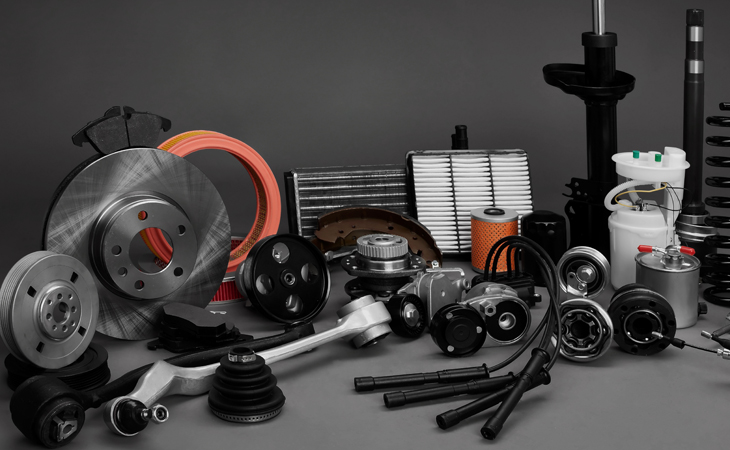
The Economic and Environmental Case for “Green Parts”
Before diving into safety, it’s worth understanding why so many drivers and mechanics are choosing used parts, often referred to as “green parts” due to their eco-friendly nature.
1. Substantial Cost Savings
The most immediate benefit is financial. Used parts are typically priced at a fraction—often 50% to 80% less—than their brand-new, Original Equipment Manufacturer (OEM) counterparts. For major components like engines, transmissions, or even simple body panels, these savings can be monumental, making necessary repairs affordable and keeping an older vehicle on the road longer.
2. Environmental Sustainability
Choosing a used part is a powerful act of recycling. It reduces the demand for new manufacturing, which requires vast amounts of raw materials (steel, plastic, rare earth metals) and energy, thereby lowering your carbon footprint. Reusing a perfectly good component minimizes landfill waste and conserves precious resources.
3. Access to OEM Quality
Crucially, most used parts are Original Equipment Manufacturer (OEM) parts—the very components the vehicle was built with. When you buy new aftermarket parts to save money, you often compromise on quality, fit, and compatibility. A used OEM part, sourced from a low-mileage or accident-damaged vehicle, offers the original quality and perfect fit, which can be superior to many new, lower-cost aftermarket alternatives.
The Safety and Reliability Equation
Safety is paramount when it comes to vehicle repair. The perception that all used parts are inherently unsafe is outdated. The reality depends almost entirely on the type of part and your source.
Non-Critical vs. Safety-Critical Components
It’s common practice to categorize parts based on their function:
- Excellent for Used (Non-Critical/Cosmetic): These components generally do not impact the vehicle’s structural integrity or primary operation. They are ideal for purchasing used.
- Examples: Door panels, bumpers, fenders, headlights, taillights, interior trim pieces, window motors, used tires (with caution).
- Good for Used (Refurbished/Tested Mechanical): Many reputable auto recyclers expertly test, clean, or even refurbish major mechanical parts.
- Examples: Engines, transmissions, starter motors, alternators, entire axle assemblies. Always ensure these come with a reliable warranty and clear history.
- Consider New (Safety-Critical/Wear Items): Parts subject to extreme wear and tear or those essential for immediate safety are often best replaced with new components.
- Examples: Brake pads, brake rotors, filters (oil, air, fuel), spark plugs, timing belts, hoses, and certain highly stressed suspension components.
The Golden Rule: For any component that directly affects your vehicle’s steering, braking, or core safety systems, exercise maximum caution. When in doubt, consult a professional mechanic or opt for a high-quality new part.
5 Essential Checks Before Buying Any Used Auto Part
The key to safe and successful used-part buying lies in diligence. You must become a savvy inspector. Follow these five steps to mitigate risk:
1. Verify Compatibility (The VIN Check)
Compatibility goes beyond just the make and model. Many cars have different trim levels or slight year-to-year variations.
- Action: Always get the OEM Part Number from your existing part or your vehicle’s manual. A reputable seller can cross-reference this number and often the Vehicle Identification Number (VIN) of your car to guarantee a perfect fit.
2. Inspect Physical Condition
Examine the part meticulously, ideally in person or via high-resolution photos/videos from the seller.
- Look for: Cracks, excessive corrosion (rust), warped metal, stripped threads, or signs of improper repair. For electrical parts, check for burnt wiring or corroded connectors. A part that looks “too good” might have been poorly repainted or repaired.
3. Know the Part’s History
Ask questions about the “donor” vehicle. This information gives context to the part’s wear level.
- Ask for: The mileage of the vehicle the part was removed from and the nature of its damage (e.g., was it a minor fender-bender, or flood/fire damage?). Low-mileage parts are usually superior.
4. Demand a Warranty or Guarantee
A professional and trustworthy seller will always stand behind their products. Never buy a major used component without a warranty.
- Look for: Reputable auto recyclers often offer a 30, 60, or 90-day limited warranty or at least a money-back guarantee if the part is defective or non-functional. This is your essential safety net.
5. Choose a Reputable Seller
The source is as important as the part itself. Avoid anonymous online sellers or untraceable transactions.
- Prioritize: Certified auto recyclers, established salvage yards, or specialized used parts retailers with good online reviews (Google, Yelp). These businesses have quality control processes and a reputation to maintain.
Conclusion: Smart Shopping for Safe Savings
The market for used auto parts is no longer the risky gamble it once was. By offering significant cost savings, promoting environmental sustainability, and often delivering superior OEM quality, “green parts” are a brilliant solution for modern vehicle maintenance.
The safety of used auto parts isn’t a question of the part itself, but rather the process. By focusing your purchase on non-critical components, meticulously inspecting the part, verifying its compatibility, demanding a warranty, and dealing only with reputable vendors, you can safely, economically, and ethically maintain your vehicle for years to come. The smart mechanic knows that used doesn’t mean useless—it means resourceful.