Owning an old car is a labor of love that goes beyond mere transportation. Whether you are the proud owner of a rugged 1980s workhorse, a vintage European roadster, or a classic Japanese icon from the 1990s, these vehicles possess a character and soul that modern cars often lack. However, with age comes the need for a more meticulous and specialized approach to maintenance. In 2026, as automotive technology leans further into automation and electric power, preserving a classic internal combustion engine is both a tribute to history and a strategic investment in an appreciating asset.
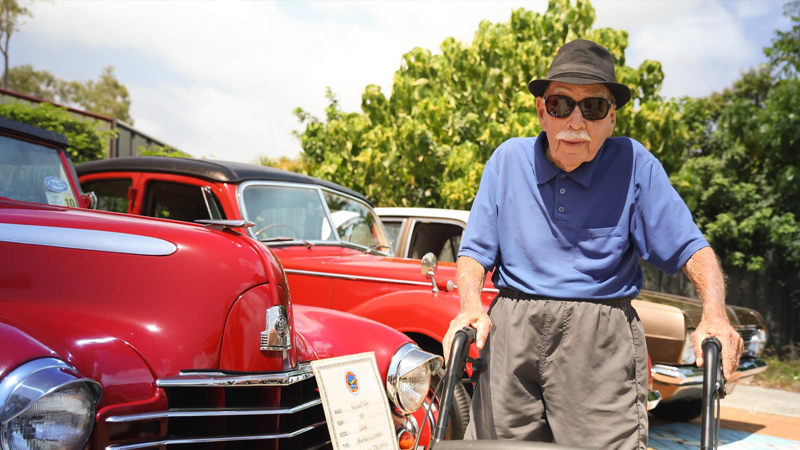
Caring for an old car requires more than just an occasional oil change; it demands a deep understanding of mechanical sympathy. You must learn to listen to the vehicle, anticipate its needs, and protect it from the elements. This article provides a professional guide on how to maintain the longevity, performance, and aesthetic beauty of your classic vehicle.
Prioritizing Fluid Management and Filtration
The lifeblood of any old car is its fluids. Unlike modern vehicles with long service intervals, older engines rely on frequent fluid changes to prevent the buildup of sludge and corrosive bypass gases.
- Oil Quality and Frequency: Older engines often have larger tolerances and require specific oil weights that provide better protection for flat-tappet lifters and vintage seals. In 2026, many enthusiasts opt for high-zinc (ZDDP) oils which provide the necessary wear protection that modern, eco-friendly oils might lack. Change your oil at least every 3,000 miles or once every six months, regardless of mileage.
- Cooling System Health: Corrosion is the silent killer of old engines. Ensure your coolant is clean and at the correct mixture. Older radiators are prone to scale buildup, so a periodic flush of the system is essential to prevent overheating—a common cause of catastrophic engine failure in vintage models.
- Transmission and Differential: Don’t neglect the drivetrain. Old gear oils can break down over time, leading to notchiness in manual shifts or slipping in older automatics. Replacing these fluids ensures that your power delivery remains smooth and reliable.
The Art of Mechanical Sympathy: Drive with Intention
An old car is like an aging athlete; it is still capable of performance, but it needs a proper warm-up and respectful handling. “Mechanical sympathy” is the practice of operating a vehicle in a way that minimizes stress on its components.
Always allow your engine to reach its optimal operating temperature before driving at high speeds or under heavy load. This allows the various metals in the engine to expand at a consistent rate and ensures that oil has reached all the critical lubrication points. Furthermore, pay attention to the sounds of your vehicle. A new “click,” “thud,” or “hiss” is often a warning sign of a failing component. Addressing these minor issues immediately prevents them from cascading into expensive, complex repairs.
Protecting the Exterior and Chassis from the Elements
The greatest enemy of any old car is oxidation. Once rust takes hold of a classic frame or body panel, it can be incredibly difficult and expensive to eradicate.
- Strategic Washing and Waxing: Wash your car regularly to remove road salt, bird droppings, and industrial fallout. Use a high-quality carnauba wax or a modern ceramic coating to provide a barrier between the paint and the UV rays of the sun.
- Underbody Care: Many owners focus on the shiny side of the car while neglecting the chassis. Use a pressure washer to clean the undercarriage, especially after driving on dusty or salty roads. For long-term preservation, consider applying a transparent underbody wax or oil-based rust inhibitor to protect the metal from moisture.
- Rubber and Seals: Old cars are notorious for dry-rotting rubber seals. Apply a silicone-based protectant to door seals, window tracks, and engine hoses. This keeps the rubber supple, prevents leaks, and reduces wind noise during your drive.
Maintaining the Interior Sanctuary
The interior of an old car is where you experience its history, but it is also highly susceptible to wear and UV damage. Cracked dashboards and torn leather can significantly decrease the value and enjoyment of the vehicle.
Use UV-reflective sunshades whenever the car is parked outdoors. For leather interiors, use a dedicated conditioner every few months to keep the hides from becoming brittle. If your car has a “mouse-fur” or fabric headliner, be gentle with cleaning agents, as old adhesives can easily fail, causing the fabric to sag. Keeping the interior clean of dust and debris also prevents the “old car smell,” which is often caused by trapped moisture and decaying organic material in the carpets.
Storage: The Importance of a Controlled Environment
How you store your old car is just as important as how you drive it. If the vehicle is not a daily driver, it requires a “hibernation” strategy.
Ideally, an old car should be stored in a dry, climate-controlled garage. If a garage is not available, a high-quality, breathable car cover is a must. To prevent the battery from dying, use a “trickle charger” or a battery tender. To avoid “flat-spotting” the tires, consider over-inflating them slightly or placing the car on jack stands if it will be stationary for several months. Finally, use a fuel stabilizer if the car will sit for more than thirty days; modern ethanol-blended fuels can attract moisture and turn into a varnish-like substance that clogs carburetors and fuel injectors.
Conclusion: A Legacy Worth Protecting
Caring for an old car is an ongoing journey that requires patience, a bit of grease under the fingernails, and a proactive mindset. It is about honoring the engineering of the past while ensuring it remains functional for the future. By prioritizing fluid health, protecting the body from rust, and driving with mechanical sympathy, you transform a simple machine into a reliable companion and a piece of rolling history.
In the world of 2026, where cars are increasingly seen as disposable appliances, your well-maintained old car stands out as a symbol of craftsmanship and care. Every hour you spend in the garage or detailing the bodywork pays off the moment you turn the key and hear that familiar engine roar to life. Proper care ensures that your classic doesn’t just survive the passing years—it thrives through them.