For many drivers, a car wash is a simple, quick transaction—a necessary evil to remove the accumulated road dust and grime. Yet, taking your car to a professional wash or choosing the right cleaning method is far more than an exercise in vanity; it is a crucial component of long-term vehicle maintenance, safety, and preservation of resale value.
In our busy lives, the convenience of automated services or the precision of a professional hand wash offers significant advantages over the weekend driveway chore. This comprehensive guide will explore the compelling reasons to prioritize a professional clean, decode the different wash options, and provide expert tips to ensure your car gets the optimal treatment every time.
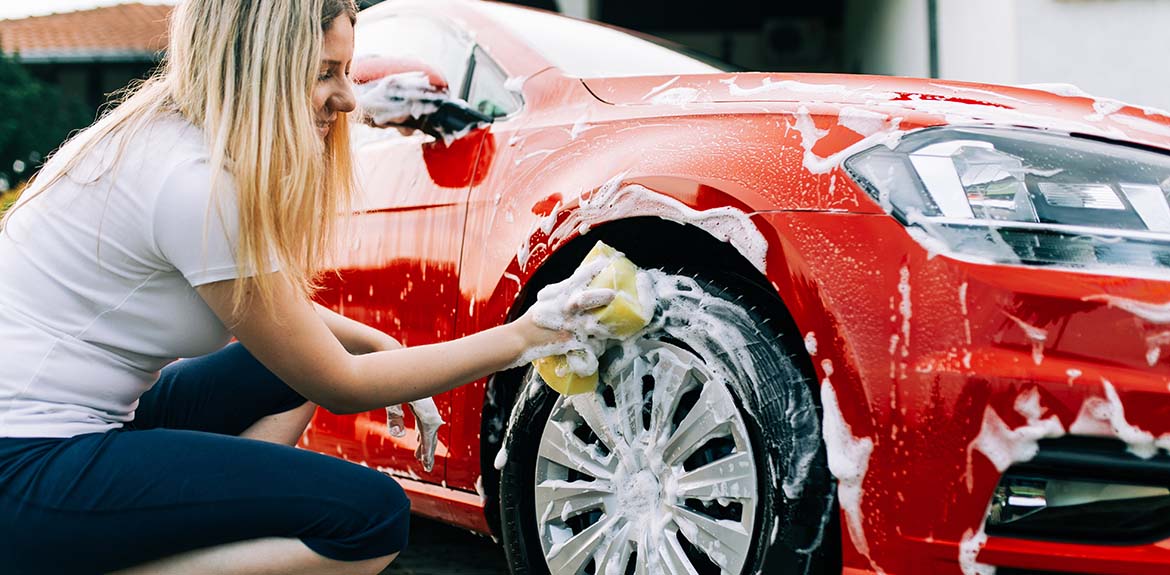
Protection First: The Maintenance Benefits of a Clean Car
The true value of a regular wash lies in what it prevents, rather than what it merely removes. Your car’s paint is under constant attack, and a professional clean is your best defense.
1. Combating Environmental Contaminants
Every day, your car accumulates abrasive and corrosive substances that actively damage its finish:
- Acidic Bird Droppings & Bug Guts: These organic materials are highly acidic and can etch the clear coat (the protective top layer of your paint) in a matter of hours, especially in direct sunlight.
- Road Salt & De-Icers (Winter): The biggest enemy of metal, salt accelerates rust and corrosion, attacking the undercarriage, wheel wells, and brake lines.
- Industrial Fallout & Tree Sap: Tiny metal fragments and sticky sap bond to the paint, creating a dull, rough finish and eventually degrading the clear coat.
Regular washing, especially with undercarriage flushing offered by professional washes, removes these harmful agents before they can cause permanent damage, preserving your vehicle’s structural integrity and aesthetic appeal.
2. Preserving Resale Value
The overall appearance of a vehicle is a primary factor in determining its resale price. A clean car with a well-maintained finish commands a higher price than one whose paint is dulled, chipped, or rusted. Routine professional washing and waxing maintain the clarity and depth of your paint, ensuring your investment retains maximum value.
Choosing Your Weapon: Automatic vs. Hand Wash
The world of car washes offers distinct choices, each with its own set of pros and cons for your vehicle’s finish.
| Wash Method | Pros (Keunggulan) | Cons (Kelemahan) | Best For |
| Soft-Touch Automatic | Quick, Convenient, Full-Service Options (wax, tire shine). | Risk of swirl marks (micro-scratches) from abrasive brushes/mitts that may hold grit from previous cars. | Drivers prioritizing speed and convenience for daily drivers with minor paint imperfections. |
| Touchless Automatic | Zero physical contact with the car, virtually eliminating the risk of scratches. | Less effective at removing heavy grime or baked-on dirt; often uses stronger chemicals. | Vehicles with sensitive or dark-colored paint where scratch prevention is the top priority. |
| Professional Hand Wash | Most thorough clean, attention to detail (wheels, crevices), safer technique (two-bucket method). | Most time-consuming and most expensive option. Quality is highly dependent on the skill and care of the staff. | Luxury cars, classic cars, or vehicles with ceramic coatings that require meticulous care. |
| Self-Service Bay | Control over time, water pressure, and chemicals used; very cost-effective. | Requires manual effort. Drying is often neglected, leading to water spots. | Budget-conscious drivers who enjoy a DIY approach but lack the space or equipment at home. |
Pro Tips for the Perfect Wash Experience
Whether you choose a speedy tunnel wash or a methodical hand clean, adopting these habits will maximize the benefits and protect your paint.
1. Look for High-Quality Tools and Products
In automatic washes, look for facilities that advertise “microfiber” or “closed-cell foam” wash materials, as these are less likely to scratch paint compared to older, abrasive brush systems. In hand washes, watch for the use of clean, dedicated microfiber towels and mitts.
2. Prioritize the Finish and Protection Services
Don’t skip the protective steps. A good wash should always conclude with a protective layer:
- Wax/Sealant: A spray wax or clear coat sealant creates a barrier against UV rays and contaminants, making future washing easier.
- Drying Aid: Choose a wash that utilizes powerful air dryers and/or fresh, clean microfiber drying towels to prevent mineral deposits from forming the dreaded water spots.
3. Don’t Neglect the Undercarriage
This is non-negotiable, especially after driving on salted winter roads. The undercarriage flush feature removes corrosive materials from your vehicle’s often-overlooked metal frame and suspension components, directly combating rust.
4. Utilize Unlimited Wash Passes
If you drive frequently or live in an area with high dust/salt/pollen, a monthly unlimited wash pass can be highly economical. Washing your car more frequently (e.g., once a week) is better for the paint than allowing thick, abrasive layers of dirt to accumulate between washes.
In Conclusion: A Clean Car is a Happy Car
Taking your car to get washed is not merely an aesthetic choice; it’s a preventative maintenance ritual that safeguards your vehicle’s most visible and expensive asset: its paintwork and clear coat. By understanding the different wash options and prioritizing professional services with high-quality equipment and protective coatings, you actively extend your car’s lifespan, ensure safety, and solidify its long-term value.
It’s time to shift the mindset from viewing a car wash as a chore to recognizing it as an essential, protective investment. The result is a vehicle that doesn’t just look good, but is structurally protected from the elements, ready to shine for many miles to come.