Maintaining, repairing, or upgrading a vehicle requires a clear understanding of the automotive parts ecosystem. Every component under the hood, within the chassis, or along the drivetrain plays a distinct role in keeping a vehicle safe, reliable, and efficient. However, when faced with routine maintenance or unexpected repairs, vehicle owners often find themselves overwhelmed by the sheer variety of options available in the marketplace today.
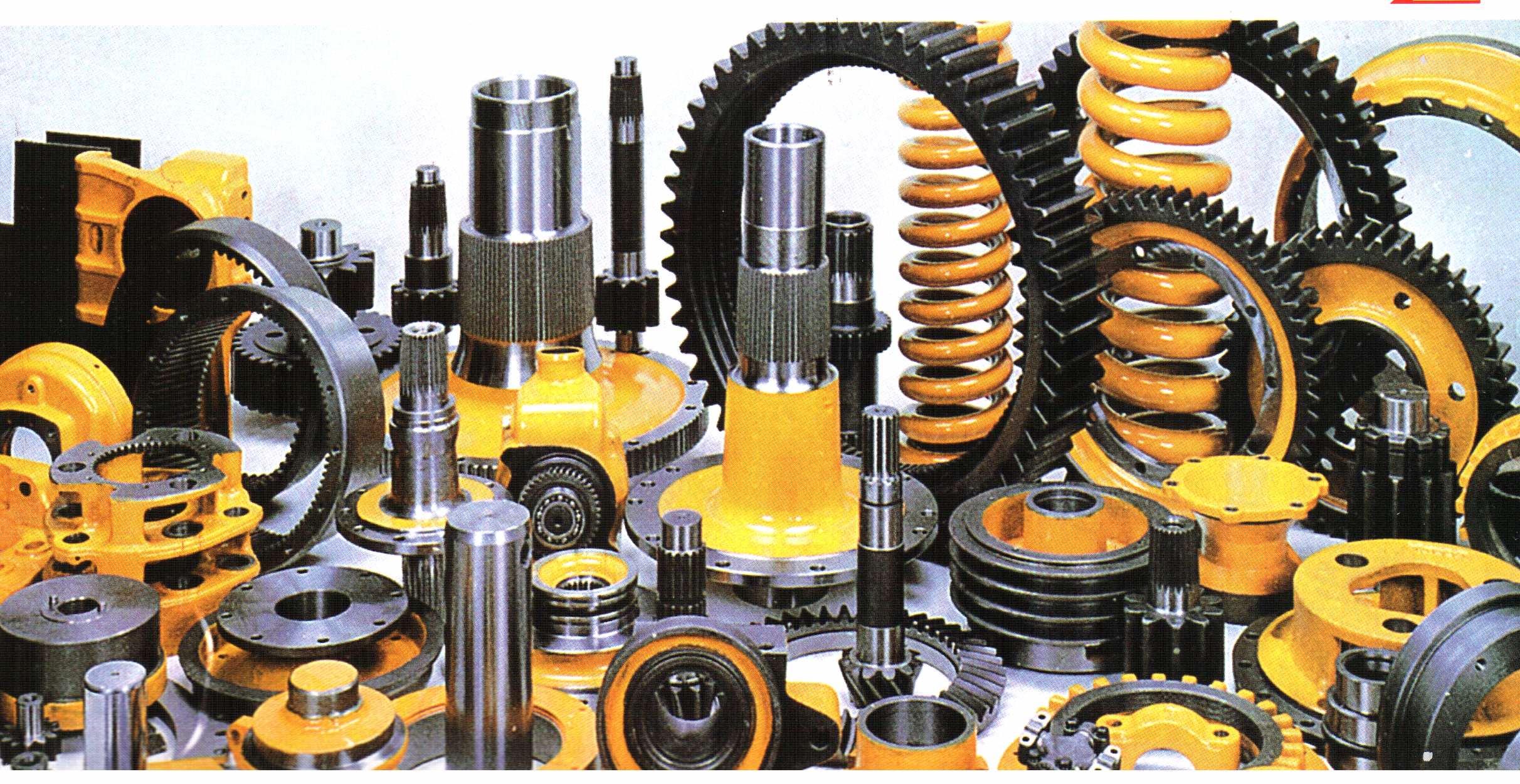
Understanding the differences between auto part categories, knowing how to identify quality components, and recognizing when to choose specific replacement types can save you substantial amounts of money while preserving your vehicle’s long-term performance.
The Classification of Auto Parts: OEM vs. Aftermarket vs. Remanufactured
To make informed decisions about your vehicle, it is essential to first understand how auto parts are categorized and manufactured. The three main categories available in the automotive supply chain each come with distinct advantages and trade-offs.
1. Original Equipment Manufacturer (OEM) Parts
OEM parts are manufactured directly by the vehicle maker or by an authorized third-party supplier contracted by the automaker. These components are identical to the parts installed in your car when it first rolled off the assembly line.
- Pros: Guaranteed fitment, consistent quality, predictable performance, and often backed by a manufacturer warranty.
- Cons: Higher price point and limited availability outside of authorized dealerships or specialized distributors.
2. Aftermarket Parts
Aftermarket parts are produced by independent companies with no direct affiliation to the original vehicle manufacturer. These parts are designed to function as direct replacements for OEM components, but they can vary widely in engineering standards, material quality, and design intent.
- Pros: Highly competitive pricing, wider availability across retail outlets, and a broader variety of options tailored to specific needs (e.g., heavy-duty, budget-friendly, or enhanced durability).
- Cons: Inconsistent quality control across different brands and potential compatibility issues if specifications are not carefully verified.
3. Remanufactured and Reconditioned Parts
Remanufactured parts are used components that have been completely disassembled, cleaned, inspected, and rebuilt using new wear items like seals, bearings, and gaskets. Unlike simple “used” parts sourced from salvage yards, remanufactured parts undergo testing to meet or exceed original performance specifications.
- Pros: Environmentally friendly, cost-effective alternative for major mechanical systems such as alternators, transmissions, and engines.
- Cons: Availability can depend on core returns, and warranty terms vary depending on the remanufacturer.
Critical Auto Part Systems and Maintenance Considerations
A modern vehicle is an intricate assembly of mechanical, electrical, and fluid systems working in harmony. Recognizing key components across essential systems helps owners prioritize maintenance schedules effectively.
Braking Systems
Safety begins with the braking system. High-wear components such as brake pads, rotors, and calipers require regular inspection. When replacing brake parts, selecting quality friction materials (such as ceramic or semi-metallic pads) ensures adequate stopping power, reduced noise, and extended rotor longevity.
Suspension and Steering Systems
Shocks, struts, control arms, and ball joints absorb road impacts and maintain tire contact with the surface. Replacing worn suspension components restores handling precision, reduces uneven tire wear, and improves overall passenger comfort.
Powertrain and Engine Components
Filters (oil, air, cabin, and fuel), spark plugs, timing belts, and water pumps represent vital preventative maintenance items. Using low-quality replacements in these critical positions can lead to inefficient combustion, decreased fuel economy, or catastrophic engine failure.
Key Strategies for Selecting the Right Auto Parts
Choosing the correct part requires attention to detail and a systematic approach. Here are practical strategies to ensure you select the best component for your vehicle:
| Selection Criteria | Description | Key Action |
| VIN Verification | The Vehicle Identification Number defines exact vehicle specifications. | Always cross-reference the VIN with the auto parts catalog before purchasing. |
| Part Number Cross-Referencing | Manufacturers frequently update component part numbers over time. | Verify that superseding or superseded part numbers match your existing component. |
| Brand Reputation | Independent auto part brands vary significantly in build quality. | Research tier-1 suppliers who often manufacture components for OEMs under contract. |
| Warranty and Support | Component durability varies by material grade and engineering standards. | Opt for parts that offer clear warranty coverage for defects and premature wear. |
Avoiding Common Pitfalls When Buying Auto Parts Online
The growth of online auto parts retailers has made sourcing components faster and often cheaper than visiting brick-and-mortar stores. However, online purchasing carries unique risks that buyers must navigate carefully.
Beware of Counterfeit Components
Counterfeit spark plugs, sensors, and brake components are prevalent in online marketplaces. Fake parts often use inferior metals or plastic compounds that fail prematurely, posing serious safety hazards. Purchase directly from authorized dealers or reputable automotive parts distributors to avoid counterfeit items.
Double-Check Material and Engineering Specifications
Two parts may look identical visually but differ in internal metallurgy, heat tolerance, or sensor resistance values. Always verify dimensions, pin configurations for electrical connectors, and material descriptions before committing to a purchase.
Conclusion
Auto parts are the foundation of vehicle reliability, safety, and operational efficiency. Whether you are replacing routine wear items like brake pads and filters or undertaking complex system repairs, knowing the differences between OEM, aftermarket, and remanufactured options empowers you to make smart, cost-effective choices. By carefully verifying compatibility using your VIN, prioritizing reputable manufacturers, and inspecting components prior to installation, you ensure that your vehicle delivers dependable performance for years to come.